

-
 February 10, 2026
 -
 6 Comments
 -
 By
er.varunvohra
By
er.varunvohra


 By
By How to Become a Community Health Worker: Overview, Courses, Exam, Colleges, Pathways, Salary
How to Become a Community Health Worker: Overview, Courses, Exam, Colleges, Pathways, Salary
In the intricate landscape of public health, a vital role bridges the gap between healthcare systems and the communities they serve: the Community Health Worker (CHW). These dedicated professionals act as crucial links, empowering individuals and communities to achieve better health outcomes. They are navigators, educators, advocates, and trusted confidantes, playing an indispensable part in promoting wellness, preventing disease, and ensuring equitable access to health and social services. For those drawn to making a tangible difference in people’s lives and strengthening community health, a career as a CHW offers a deeply rewarding path. This article provides a comprehensive overview, detailing the necessary training, educational pathways, certification processes, career options, and salary expectations for aspiring community health workers.
What is a Community Health Worker (CHW)?
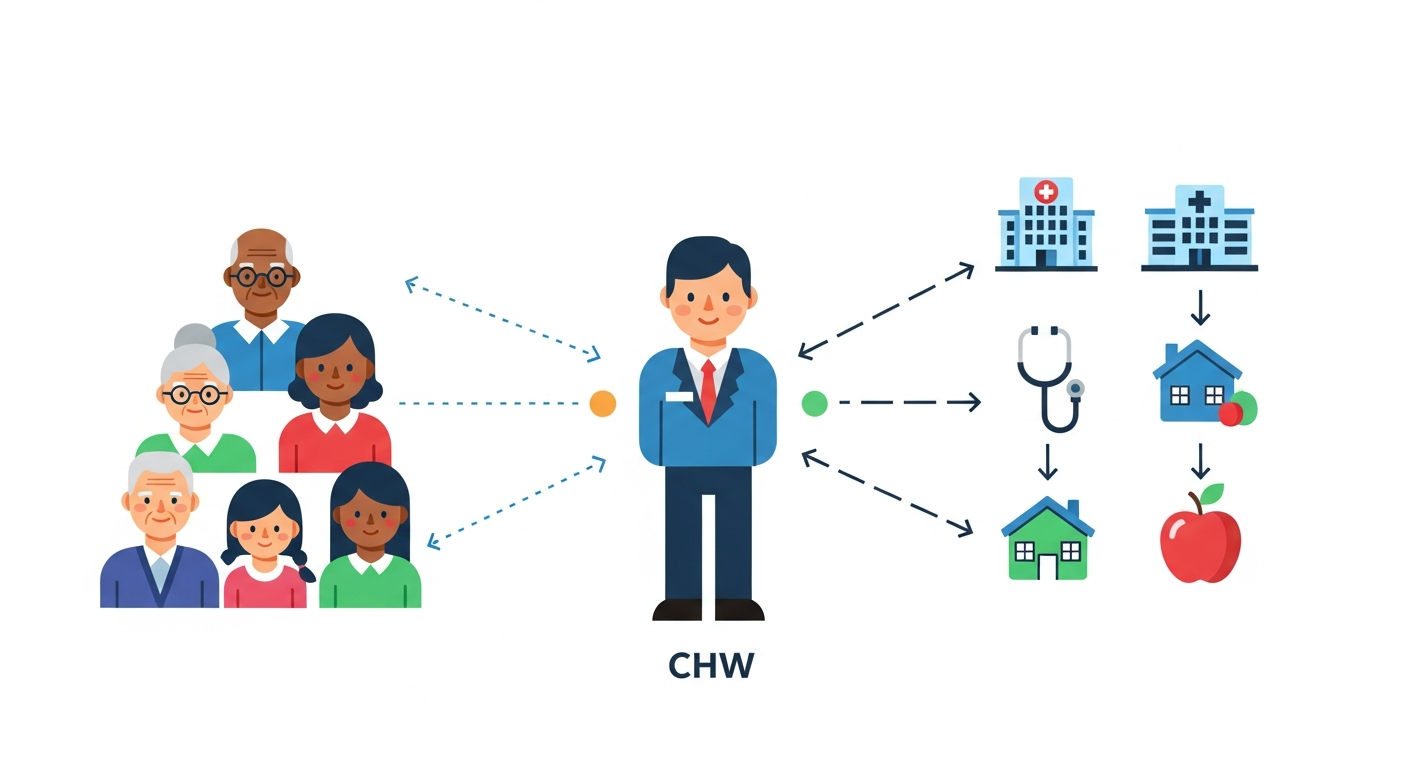 A Community Health Worker (CHW) acts as a vital link, connecting community members with the health and social services they need.
A Community Health Worker is a frontline public health worker who is a trusted member of and/or has an unusually close understanding of the community served. This unique position allows them to serve as a liaison between health and social services and the community to facilitate access to services and improve the quality and cultural appropriateness of that service. CHWs come from diverse backgrounds and are often referred to by various titles, reflecting their localized roles, such as promotores de salud in Hispanic communities, community health representatives, or community health advisors. They possess a deep understanding of the social, cultural, and environmental factors influencing health within their communities, enabling them to connect individuals with appropriate health services, social services, and vital social support.
The Growing Importance of CHWs in Public Health
The significance of CHWs in modern public health cannot be overstated. As health disparities persist and the demand for accessible, culturally competent healthcare grows, CHWs are at the forefront of addressing these challenges. They are instrumental in improving health promotion efforts, connecting underserved populations to preventive care, and managing chronic diseases. Their ability to build trust and communicate effectively within their communities makes them invaluable for outreach initiatives, disease data collection, and fostering community capacity. Research consistently demonstrates the efficacy of CHW interventions; for every dollar invested in CHW programs, there is a return of $2 to $4, with an average of $247 to the average Medicaid payer within a fiscal year Umemba Health, 2025. This cost-effectiveness underscores their critical role in optimizing the health system and achieving better population health outcomes.
Understanding the Role: What Does a CHW Actually Do?
The day-to-day work of a Community Health Worker is dynamic and multifaceted, tailored to the specific needs of the community and the employing organization. Their overarching goal is to empower individuals to navigate the complexities of the health system and make informed decisions about their well-being.
Core Responsibilities and Daily Tasks
CHWs engage in a wide array of activities designed to support individuals and communities. Key responsibilities include:
- Health Education and Promotion: Delivering culturally and linguistically appropriate health information on topics ranging from chronic disease management and nutrition to family planning and mental health. They conduct individual counseling and group sessions to foster health promotion and healthy behaviors.
- Outreach and Engagement: Actively reaching out to community members, often in their homes or familiar settings, to build rapport, assess needs, and connect them with essential health services and social services. This involves identifying individuals who may not otherwise seek care.
- Care Coordination and Navigation: Assisting clients in accessing healthcare providers, scheduling appointments, understanding treatment plans, and overcoming barriers to care, such as transportation or language. They act as a bridge between individuals and the health system.
- Social Support and Advocacy: Providing emotional support, encouragement, and practical assistance to clients. CHWs advocate for their clients’ needs within healthcare settings and connect them with community resources for housing, food, employment, and other social determinants of health.
- Basic Health Screening and Data Collection: Conducting simple health screenings (e.g., blood pressure checks, glucose monitoring) and collecting data on client demographics, health status, and service utilization, which is vital for program evaluation and improving community capacity.
- Community Building: Working to empower communities by facilitating self-help groups, organizing health-related events, and fostering community capacity for health improvement.
Essential Skills for Success as a CHW
To excel in their roles, CHWs must possess a unique blend of interpersonal skills, practical knowledge, and cultural competence.
- Cultural Humility and Linguistic Appropriateness: The ability to understand, respect, and effectively communicate with individuals from diverse cultural, ethnic, and socioeconomic backgrounds is paramount. This includes speaking the same language or utilizing effective interpretation services.
- Communication and Interpersonal Skills: Strong listening, empathic communication, and relationship-building skills are essential for establishing trust and rapport with clients and colleagues.
- Problem-Solving and Resourcefulness: CHWs must be adept at identifying client needs and creatively finding solutions and connecting them to appropriate resources, often within limited circumstances.
- Advocacy: The ability to effectively speak on behalf of clients and empower them to advocate for themselves is a core component of the role.
- Basic Health Literacy and Data Comprehension: Understanding fundamental health concepts and being able to collect and report basic data accurately is crucial for tracking progress and program effectiveness.
- Organizational Skills: Managing caseloads, scheduling appointments, and maintaining client records requires strong organizational abilities.
Diverse Titles and Specialties
The foundational role of a community health worker encompasses a broad scope, but specialization is common. Beyond the general title, individuals may be known as promotores de salud, community health representatives, health navigators, patient advocates, or community health advisors, each potentially emphasizing different aspects of the role. Some CHWs specialize in areas like maternal and child health, chronic disease management, behavioral health, or specific populations such as the elderly or individuals experiencing homelessness. These specialties often require additional training and expertise.
Educational Pathways: Your Foundation for CHW Practice
Aspiring Community Health Workers can pursue various educational routes, ranging from foundational knowledge acquisition to formal degree programs, depending on their career goals and local requirements.
Entry-Level Requirements and Foundational Knowledge
Many CHW positions require at least a high school diploma or GED. However, the field is becoming increasingly professionalized. While not always mandatory for entry-level roles, a foundational understanding of public health principles, basic health concepts, and community dynamics is highly beneficial. Demonstrating strong communication skills, cultural awareness, and a genuine commitment to community service are often weighted heavily by employers. Some health professionals start as CHWs and later pursue higher education.
Formal Training Programs and Certifications
Formal training is becoming the standard for CHWs, equipping them with the necessary knowledge and skills. Certificate programs are widely available and are often designed to be completed in a shorter timeframe than associate or bachelor‘s degrees. These programs are frequently offered by community colleges, universities, and specialized training centers. As of February 2025, approximately half of U.S. jurisdictions have or are developing a certification program for Community Health Workers ASTHO, 2025. These certifications often require completion of an approved training program. In fact, around 60% of CHWs have a bachelor’s degree, and 16% hold an associate degree, reflecting the growing educational attainment in the field Coursera, 2025.
Key Coursework and Skill Development Areas
CHW training programs typically cover a range of essential topics:
- Public Health Principles: Understanding the fundamentals of population health, epidemiology, and health disparities.
- Health Education Methods: Learning how to effectively design and deliver health education programs for diverse audiences.
- Social Determinants of Health: Exploring the impact of social, economic, and environmental factors on health outcomes.
- Communication and Interpersonal Skills: Developing strategies for effective client engagement, counseling, and conflict resolution.
- Cultural Competency and Humility: Building skills to work effectively with diverse populations.
- Basic Data Collection and Reporting: Understanding how to gather and document information relevant to client care and program evaluation.
- Ethics and Professional Boundaries: Learning to navigate ethical dilemmas and maintain professional conduct.
- Community Resources and Navigation: Familiarizing oneself with available social services and how to connect clients to them.
Choosing Your CHW Program: Colleges and Training Options
Selecting the right educational program is a critical step in preparing for a career as a Community Health Worker. Various institutions and formats cater to different learning styles and career aspirations.
Types of Institutions Offering CHW Programs
CHW programs can be found at a variety of educational institutions:
- Community Colleges: Often offer certificate programs and associate degrees that are accessible and affordable.
- Universities: Provide certificate programs, bachelor’s degrees, and sometimes master’s degrees with specializations in community health, public health, or related fields.
- Hospitals and Health Systems: Some healthcare organizations offer their own CHW training programs, often in partnership with academic institutions.
- Non-profit Organizations: Community-focused non-profits may offer specialized training or apprenticeships.
What to Look for in a Quality Program
When evaluating CHW programs, consider the following:
- Curriculum: Ensure the program covers the core competencies identified by professional organizations and aligns with state certification requirements.
- Faculty Expertise: Look for programs with instructors who have practical experience as health professionals or community health workers.
- Hands-on Experience: Programs that include practicum or internship components provide invaluable real-world experience.
- Accreditation and Recognition: Verify that the program is recognized by relevant state health departments or professional bodies.
- Support Services: Assess the availability of academic advising, career services, and financial aid.
Online vs. In-Person Learning: Finding Your Fit
The format of a CHW program can significantly impact your learning experience.
- In-Person Programs: Offer direct interaction with instructors and peers, immediate feedback, and opportunities for networking within a local context.
- Online Programs: Provide flexibility for individuals balancing work, family, or other commitments. They allow access to programs regardless of geographic location. Many online programs incorporate virtual simulations and remote practicum opportunities.
Financial Aid and Scholarship Opportunities
The cost of training can be a concern. Many institutions offer financial aid options, including federal student loans, grants, and scholarships. Some employers or public health organizations may sponsor individuals for CHW training. It’s advisable to research scholarships specifically for community health workers or those pursuing public health careers.
Certification and Exams: Formalizing Your CHW Expertise
Certification offers a formal validation of a Community Health Worker‘s knowledge and skills, increasingly becoming a requirement for employment and reimbursement.
Understanding CHW Certification (and why it matters)
While there isn’t a single national certification for CHWs, many states have established their own certification processes. This standardization helps to define the CHW role, ensure a baseline level of competency, and enhance the credibility of CHWs within the healthcare workforce. In 2024, Texas alone certified 3,400 new CHWs, a 17 percent increase from the previous year, illustrating the growing trend Texas Department of State Health Services, 2024. As of February 2025, approximately half of U.S. jurisdictions have or are developing a certification program for Community Health Workers ASTHO, 2025. Certification often leads to increased job opportunities and can enable CHWs to be reimbursed for their services through Medicaid and other payers.
Preparing for the CHW Certification Exam
The certification exam typically assesses knowledge in core CHW competencies, including advocacy, communication, health education, outreach, and navigating the health system. Preparation often involves reviewing program materials, studying core public health concepts, and practicing with sample questions. Many training programs are specifically designed to prepare students for these exams. Understanding the specific requirements and exam format for your state is crucial.
Maintaining Your Certification
Certification is usually valid for a specific period (e.g., two to three years) and requires renewal. Renewal often involves accumulating continuing education units (CEUs) through workshops, courses, or professional development activities, demonstrating ongoing commitment to learning and professional growth within the field of community health.
Career Pathways: Growth and Specialization in Community Health
The career trajectory for a Community Health Worker is diverse, offering opportunities for specialization, advancement, and diverse employment settings.
Common Employment Settings for CHWs
CHWs are employed across a wide spectrum of organizations dedicated to improving community well-being:
- Hospitals and Health Systems: Working within clinical settings to help patients navigate care, adhere to treatment plans, and connect with community resources.
- Public Health Departments: Engaging in outreach, health promotion, and disease prevention initiatives at the local and state levels.
- Community Clinics and Federally Qualified Health Centers (FQHCs): Providing direct services to underserved populations, focusing on primary care, chronic disease management, and preventive services.
- Non-profit Organizations: Working with specific populations or on particular health issues, such as HIV/AIDS prevention, substance abuse, or maternal and child health.
- Schools: Supporting student health and wellness through health education and connecting families to resources.
- Social Service Agencies: Bridging the gap between health and social support services.
Advancing Your Career as a CHW
Experienced CHWs can advance their careers in several ways. This might involve specializing in a particular area of community health, taking on supervisory roles to mentor new CHWs, or moving into program management. Some individuals pursue further education to become public health educators, program coordinators, or even policy advocates within the public health sector. The growing recognition of the CHW role also opens doors for leadership positions focused on community capacity building.
Understanding “Task Shifting” and “Task Sharing”
In many contexts, CHWs are integral to models of “task shifting” and “task sharing.” This involves delegating specific healthcare tasks from highly trained health professionals to CHWs, particularly in areas where there is a shortage of physicians or nurses. This strategy is effective for expanding access to essential health services, especially for routine screenings, patient education, and chronic disease management. CHWs are well-positioned for these expanded roles due to their community connection and training.
Related Roles and Global Perspectives
The core functions of a CHW are mirrored in similar roles worldwide, often adapted to local cultural and health system contexts. Terms like promotores de salud highlight the role of health promotion and empowerment. These diverse approaches underscore the universal need for accessible, community-based health support. Whether working in urban clinics or remote villages, the fundamental mission of connecting people to care and promoting well-being remains constant.
CHW Salary and Job Outlook: Investing in Your Future
A career as a Community Health Worker offers not only the reward of service but also promising employment prospects and competitive compensation.
Average Salary Ranges for Community Health Workers
Salaries for CHWs can vary based on location, experience, level of education, certification, and the type of organization. Generally, entry-level CHWs might expect to earn an average salary in the range of $35,000 to $45,000 annually. With experience, specialization, and potentially a higher level of education (such as a bachelor’s degree, which is common, with 60% of CHWs holding one Coursera, 2025), annual salaries can range from $45,000 to $60,000 or more. Senior CHWs or those in supervisory or program management roles can command higher salaries.
Job Outlook and Growth Projections
The demand for Community Health Workers is projected to grow significantly. As public health systems increasingly recognize the value of community-based interventions, CHWs are becoming essential members of healthcare teams. In Washington state, for example, the number of community health workers hired grew by 15.71% in 2023 Career Bridge, 2024. This trend reflects a broader national emphasis on preventive care, chronic disease management, and addressing health disparities, all areas where CHWs excel. The increasing number of states adopting certification programs further solidifies the role’s legitimacy and demand.
Benefits and Compensation Packages
Beyond base salary, CHWs often receive comprehensive benefits packages, which may include health insurance, paid time off, retirement plans, and opportunities for professional development. Some positions may also offer mileage reimbursement for travel within the community. The overall compensation reflects the critical role CHWs play in improving health outcomes and increasing access to care for diverse populations.
Confused?
Clear Your Career Confusion With Our Expert Counsellor
Conclusion
The path to becoming a Community Health Worker is a journey toward a fulfilling career dedicated to empowering individuals and strengthening communities. CHWs serve as indispensable navigators, educators, and advocates, playing a pivotal role in enhancing access to healthcare, promoting health promotion, and building community capacity. Through accessible training programs, often culminating in certification, aspiring CHWs gain the essential skills and knowledge to make a profound impact. The growing demand for these professionals, coupled with competitive salaries and diverse career pathways, underscores the vital and expanding nature of this field. Whether you are drawn to direct client support, outreach initiatives, or contributing to broader public health strategies, a career as a CHW offers a meaningful opportunity to drive positive change and improve the well-being of those around you. The investment in training and dedication as a CHW is an investment in a healthier future for communities everywhere.