-
 October 31, 2026
-
 0 Comments
-
 By
The Career Galaxy Brand Desk


 By
Polaris School of Technology Review: An Honest Student Perspective on Academics, Campus Life and Career Opportunities
Polaris School of Technology Review: An Honest Student Perspective on Academics, Campus Life and Career Opportunities
College life is more than lectures, exams and a degree at the end of four years. It is also about what you build, who teaches you, the people you spend your time with and the opportunities you get before graduation. Polaris School of Technology in Bengaluru is built around a different idea of engineering education: spend less time treating technology as a subject to study and more time learning to build with it.
Based inside DivyaSree Technopark,Bengaluru, Polaris School of Technology stands amongst the best colleges for Computer Science bringing together academics, industry exposure, open-source work and an active campus community. Its appeal is straightforward: students interested in technology can start developing practical skills early, while learning alongside peers who are equally interested in building things.
But is that enough to make PST the right choice? The answer depends on what you want from college. Here is a closer look at its academics, faculty, campus culture, industry access and the details that matter before enrolling.
Academics and Curriculum: How Much Do You Actually Build?
The biggest difference at Polaris School of Technology is its emphasis on practical learning. The school offers a four-year UG Computer Science and Engineering programme with more than 5,000 hours of hands-on coding, with projects becoming more complex as students progress. The idea is to move from programming fundamentals to building applications and working with technologies used in the industry.
Applied AI Engineering covers machine learning, deep learning, generative AI, large language models, computer vision, AI infrastructure and MLOps. Product Management and Engineering combines software development with product strategy, user experience and experimentation. Cloud and Big Data Engineering focuses on cloud architecture, data systems, DevOps and distributed systems.
| Specialisation | What you learn | Potential direction |
| Applied AI Engineering | Machine learning, GenAI, computer vision, LLMs and MLOps | AI engineer, ML engineer, AI product engineer |
| Product Management and Engineering | Software development, product strategy, UX and experimentation | Software engineer, product engineer, technical product roles |
| Cloud and Big Data Engineering | Cloud architecture, big data, DevOps and distributed systems | Cloud engineer, data engineer, platform engineer |
The curriculum also has industry partnerships. Applied AI Engineering is associated with Microsoft, Product Management and Engineering with Amazon Web Services, and Cloud and Big Data Engineering with Google Cloud. These partnerships connect the programmes with industry technologies and certification pathways, though the real value still comes down to how well students learn to use those tools.
For anyone comparing the best colleges for Computer Science, the important question is not how many emerging technologies appear in a syllabus. It is whether students understand the fundamentals, receive useful feedback and get enough time to build projects independently. That is where faculty makes the difference.
Faculty: Who Are You Learning From?
Faculty can make or break a practical engineering programme. Students need people who can explain technical fundamentals clearly, help them work through difficult problems and give feedback that improves their code and thinking.
At Polaris School of Technology, that guidance comes largely from people who have built and led companies. The faculty includes CTOs, founders and IIT alumni, supported by a guest lecturer and advisor network of senior leaders from technology, venture capital, consulting and consumer businesses. Among them are Thomas Jeng, associated with startups and OpenAI; Alvin Tse, VP at Xiaomi Global; Kunal Shah, director at CRED; Varun Alagh, CEO of Mamaearth; Arpan Sheth, Senior Partner at Bain & Company; and Deborah Quazzo, Managing Partner at GSV Ventures.
This mix means students hear how products are built, funded and scaled from the people doing it. That exposure carries into the campus, where builder culture is one of PST’s most distinctive features.
Builder Culture and Industry Immersion: Experience Beyond the Classroom
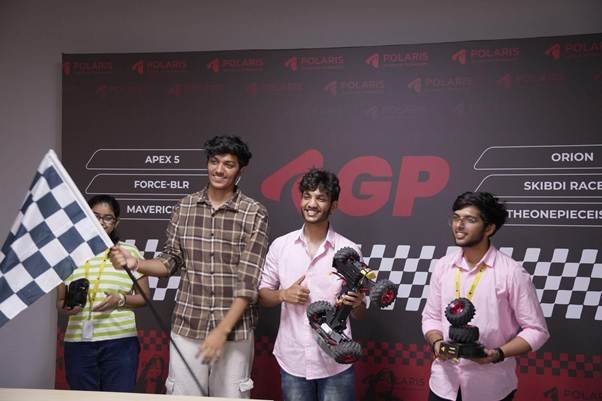
The focus at Polaris School of Technology extends beyond completing assignments to experimenting with ideas, collaborating with other developers and showing what you have made. Its events reflect this. Vibeathon is a 36-hour AI product-building hackathon held with Replit. AI Engineers Day features sessions on AI tools and agent workflows, and Vibehack is a two-day event focused on building AI prototypes. Google for Developers events and AI Hack Day add more opportunities to explore tools, learn from practitioners and work with people outside the classroom.
These activities suit students who learn best by doing. A hackathon forces you to make decisions under time pressure, divide responsibilities and turn an idea into something that works. Events with working engineers also expose students to tools and problems that may not yet feature in a conventional classroom. The most useful experience comes from participating, building something, receiving feedback and trying again.
That approach carries into work beyond campus. PST’s model includes project work, open-source contributions and internship opportunities, so students can build evidence of their skills early instead of waiting until their final year. Students have taken part in international open-source programmes, including Google Summer of Code, Linux Foundation LFX Mentorship, Summer of Bitcoin and Code for GovTech, and have worked with organisations across multiple countries.
Open-source work is especially useful because it involves working with existing codebases, responding to reviews, documenting changes and collaborating with developers beyond campus. These are practical experiences that strengthen a portfolio.
Campus Life: It Is Not All About Coding
A technology-focused college still needs to feel like college. Polaris School of Technology is India’s only tech school inside a tech park. Its 1.75 lakh sq ft campus sits in the heart of Bengaluru’s most active tech corridor and runs as a 24/7 residential hub.
Students learn in smart classrooms, coding spaces and an Innovation Lab. When they want a break, they have a gaming lounge, a creator’s lounge, breakout areas and sports zones. Work and downtime are in the same place, so a late build session can end with a game next door.
Hostel life is built around safety and ease. Access is restricted to students, with separate wings, 24/7 CCTV and resident wardens. A parent-facing app records every entry and exit in real time. Students get four meals a day, housekeeping, laundry, fast WiFi, furnished rooms and a daily shuttle to campus. Evenings over board games or films are where friendships form and ideas get shared.
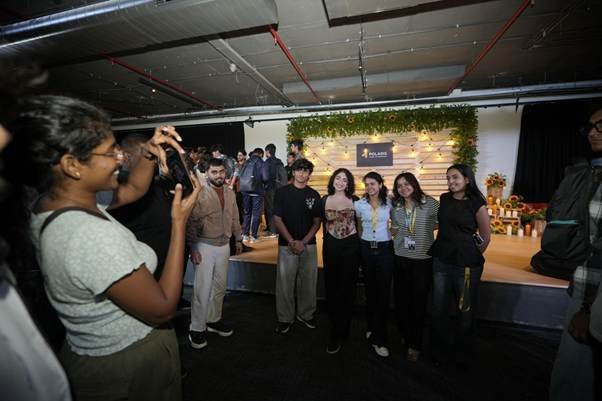
Clubs and events add to the mix. Student-led groups cover coding, sports, culture and debate, including the Media Club, Tesseract, Sports and E-Sports Club, Entrepreneurship Club, Student Council and Events team. Constellation, the orientation and community festival, combines industry sessions with games, stand-up comedy and social activities.
Dear Diary brought independent artist Sanjeeta Bhattacharya to campus to share unreleased music and talk about her career. Open mic nights and gaming tournaments give students even more ways to take part. That balance matters. A student can spend an afternoon building an AI prototype and still have time for music, friends, a show or an open mic.
Future Prospects: What Can the Experience Lead To?
The three specialisations point towards different career paths. Applied AI Engineering is suited to students interested in developing and deploying AI systems. Product Management and Engineering combines technical execution with product thinking. Cloud and Big Data Engineering focuses on the systems, platforms and data infrastructure that technology companies depend on.
The experience students gain along the way is reflected in what they earn. The highest reported stipend is ₹2 lakh per month, with an average of ₹50,000 per month.
For students comparing the best colleges for computer science, projects, internships and open-source work are the clearest signs of what a programme prepares you to do. Polaris School of Technology puts these at the centre of the degree.
The Degree: What You Graduate With
Polaris School of Technology delivers a four-year UG programme in Computer Science and Engineering in partnership with Medhavi Skills University, a UGC-recognised university, with Polaris School of Technology as the industry-skilling partner.
PST is best suited to students who want a hands-on technology education and are ready to take an active role in building projects, exploring open source and participating in the wider tech community. Its industry connections, technical events and range of specialisations give it a clear identity. The decision comes down to whether that approach, the campus experience and the total cost fit what you want when choosing from the best Computer Science colleges.
Frequently Asked Questions
1. Is Polaris School of Technology a good choice for Computer Science Program?
Polaris School of Technology offers a hands-on education that combines classroom learning with practical experience. Its four-year UG Computer Science and AI programme includes more than 5,000 hours of coding, industry-led teaching, project work, open-source contributions and internship opportunities, making it a strong option for students seeking an applied approach to technology education.
2. What specialisations are available at Polaris School of Technology?
Polaris School of Technology offers three specialisations: Applied AI Engineering, Product Management and Engineering, and Cloud and Big Data Engineering. These cover distinct areas of technology, from machine learning and generative AI to software product development, cloud architecture and distributed systems.
3. How is the faculty at Polaris School of Technology?
PST’s teaching team includes practising engineers, founders, CTOs and IIT alumni. Students also engage with industry leaders and guest speakers from technology, venture capital and other sectors. This approach connects technical learning with practical insights into how products and businesses are built.
4. What is campus life like at Polaris School of Technology?
Campus life combines technical activities with social and cultural experiences. Students can participate in clubs such as the Media Club, Entrepreneurship Club, Sports and E-Sports Club, and Student Council. Facilities include an Innovation Lab, gaming lounge and creator’s lounge, while events feature hackathons, music, cultural celebrations and community activities.
5. What career opportunities are available after graduating from Polaris School of Technology?
Career pathways vary by specialisation. Graduates can pursue roles such as AI engineer, machine learning engineer, software engineer, product engineer, cloud engineer or data engineer. Coding-intensive projects, open-source contributions and internship experience help students develop practical skills and demonstrate their capabilities to employers.
6. What degree is awarded at Polaris School of Technology?
Polaris School of Technology offers a four-year UG Computer Science and Engineering programme in collaboration with Medhavi Skills University, a UGC-recognised university. Medhavi awards the degree, while PST serves as the industry-skilling partner, delivering a practical, industry-focused learning experience.